Soft washing is a material, soil, and finish decision
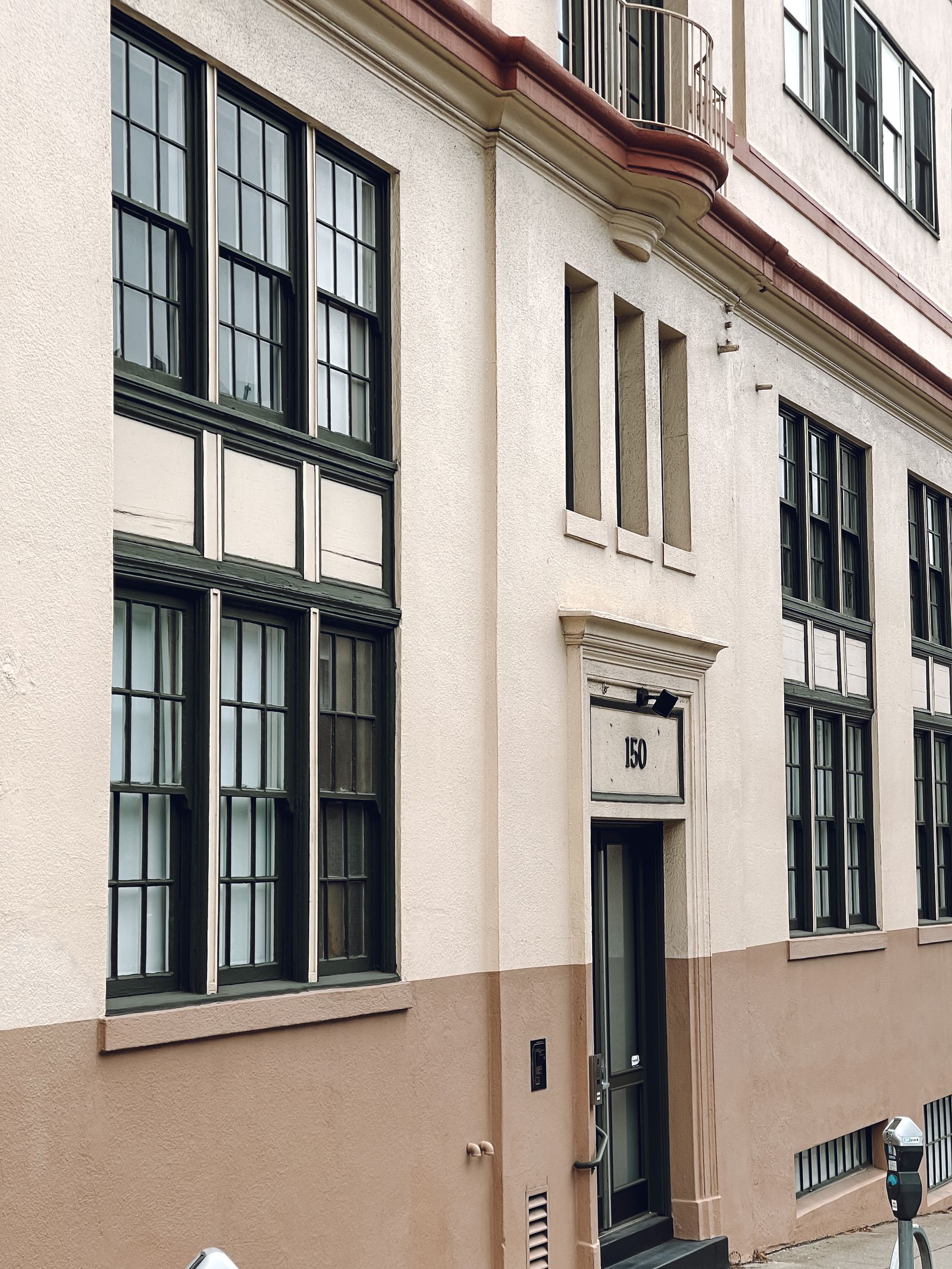
Soft washing generally relies more on compatible chemistry, dwell time, and controlled rinsing than on impact force. It may fit selected stucco, painted masonry, tilt-up concrete, brick, EIFS, and other tested surfaces affected by algae, pollen, bird residue, dust film, or atmospheric soil. Lower pressure can reduce some mechanical stress, but it does not eliminate risk from chemical strength, dwell, temperature, wind, overspray, landscaping, or water entering failed joints. A dry-down test area is valuable when a Fresno facade combines older coatings, textured panels, agricultural dust, and newer tenant improvements.
Begin with the substrate and visible condition, then define the goal: routine maintenance, organic-growth treatment, dust and atmospheric-film reset, lease presentation, or specialty restoration. A broad upper wall may need a different approach from entrance glass, metal trim, a canopy, a loading zone, or decorative stone. Soft washing does not replace leak repair, paint correction, hard-water removal, oxidation treatment, joint repair, or glass polishing. The quote should say what should improve, what may remain, and which conditions need another trade.
Pressure washing can fit durable Fresno zones, not every facade
For a Fresno property, controlled pressure may fit selected sound concrete approaches, service yards, loading pads, parking areas, garage surfaces, and other hardscape after surface condition, force, nozzle, distance, flow, drainage, and nearby uses are evaluated. It is not a universal facade method. Excess force can etch softer concrete, strip paint, disturb mortar, damage stucco or EIFS, open sealant joints, push water behind coatings, or dislodge fragile trim.
Fresno lower walls can collect road dust, diesel film, irrigation marks, agricultural soil, and loading residue, while upper elevations may have loose valley dust, pollen, biological growth, or roofline streaks. A pressure-cleaned hardscape zone and a soft-washed facade can coexist, but each should be scoped independently. Ask where pressure is proposed, why that surface can tolerate it, how nearby materials and equipment will be protected, and what will be checked after the area dries. A mixed-method plan is more credible than one pressure setting for the whole property.
Fresno operations should influence the method and schedule
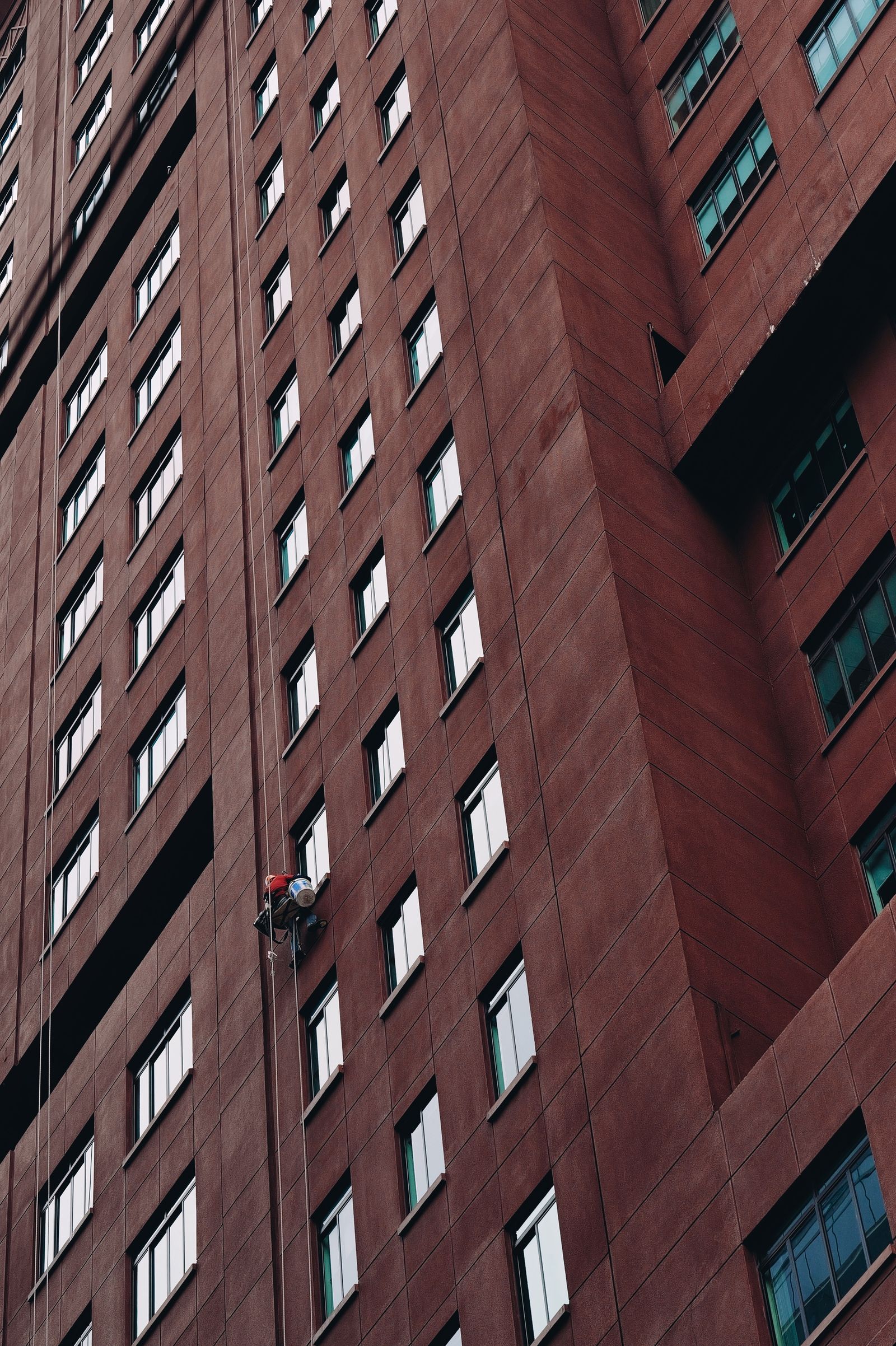
Hotels downtown and along major corridors may be managing arrivals, valet, housekeeping, conference activity, deliveries, and guest routes beside the building. Healthcare properties need patient drop-off, emergency access, air-intake awareness, and facilities coordination. Offices, retail centers, and education facilities around Shaw, Herndon, Cedar, and the Tower District may have tenants, students, customers, patios, and busy parking. The technically suitable method can still be a poor plan if hoses, mist, noise, or a wet surface crosses an active entrance during the wrong window.
Agricultural, packing, cold-storage, and industrial properties near West Fresno, North Avenue, Golden State Boulevard, and the Highway 99 corridor may have trucks, forklifts, gates, dust, irrigation, production equipment, and shift changes near the work. Ask how the proposal will protect processes, equipment, staff, vehicles, crops, and drainage. Compare the work sequence, blackout dates, spotters, hose routes, pause authority, and handback standard alongside the cleaning method. This matters when a facility cannot simply close for the day or when air quality makes outdoor work uncomfortable for occupants.
Heat, dust, and air quality change how both methods behave
Direct Fresno sun can heat stucco, metal, glass, pavement, and concrete beyond the surrounding air temperature. That affects soft-wash dwell, drying speed, visual uniformity, pressure-cleaning splash, worker exposure, and how quickly a clean area receives new dust. A method that behaves well in early shade may dry too quickly on a west-facing wall. Smaller zones, shade-aware timing, hydration, rest, and dry inspections may be needed. Outdoor work should be scheduled around actual heat and air-quality conditions rather than a fixed production estimate.
Wind can redistribute dust, carry mist, change aerial stability, and alter where water travels. Crop activity, truck traffic, exhaust, cooling equipment, pollen, and irrigation can create deposits that do not respond identically. Smoke or ozone conditions may change whether an occupied site wants exterior work that day. Compare weather limits, air-quality pauses, ground controls, rescheduling rules, and source-condition reporting in every bid. If a downspout, roof edge, cooler, exhaust outlet, or irrigation head is causing the streak, washing alone will not solve the repeat condition.
Drone assistance must be compared with the required finish
Aerial wetting or rinsing can be useful on a wide, compatible upper wall when Fresno wind, airspace, line of sight, stand-off distance, launch area, water supply, and public separation all work together. The value is usually reduced staging, not unlimited reach. A drone cannot squeegee glazing, brush a ledge, remove bonded mineral film, inspect a failed joint at contact distance, or correct a damaged coating. Entrances, balconies, signs, recesses, and finish-sensitive details may call for pole, lift, roof, or hand work.
The airport environment, power lines, mature trees, cranes, tanks, rooftop equipment, irrigation structures, highways, and active farm machinery deserve a site-specific airspace review. A commercial flight still needs to meet current FAA requirements and any required authorization. A Fresno scope should mark the elevations proposed for aerial support, the weather and air-quality hold points, the ground-control boundary, and the method that will be used if the aircraft must remain grounded. That may produce a blended plan: upper-wall support from the air, entrance work from the ground, and separate repair recommendations for deposits or damaged material.
Compare water, drainage, protection, and closeout assumptions
Both methods move water and removed soil. Compare the water source, expected flow, product or detergent, slope, drains, low points, landscaping, irrigation, equipment, doors, vehicles, neighboring parcels, and public routes for each proposal. Fresno properties may drain across large paved yards, toward curb inlets, into private systems, or toward agricultural channels. A grate is not automatic authorization for discharge. Depending on the activity, controls may include protection, diversion, collection, recovery, reduced rinse volume, filtration, disposal, or coordination with the responsible authority.
Require each bid to explain its water assumption and its response when runoff does not follow the sketch. Compare safeguards for crops, planted areas, patients, students, guests, tenants, vehicles, air intakes, production equipment, and accessible travel. If aerial support is proposed, ask where spotters stand and when wind or air quality stops the operation. A price based on an unoccupied wall can change once traffic, water, or production controls are added. Request dry closeout photographs and a note of deposits, source conditions, or damaged areas that remain outside the cleaning scope.
- Require a material-specific method and an expected finish by elevation.
- Separate routine washing from restoration, glass detail, coating work, and repairs.
- Review heat, air quality, wind, dust, airspace, people, vehicles, water, and runoff controls.
- Request dry-condition photos and a record of remaining deposits or source conditions.
Use the Fresno quote to choose a defensible method
For a Fresno facade, a low-impact treatment can be a sensible first test for compatible organic staining, Central Valley dust, pollen, or atmospheric film. Durable hardscape may instead tolerate controlled pressure. Other elevations may need a rinse, pole detail, lift, mineral treatment, or restoration. Since a commercial site contains several substrates and operating zones, the most honest estimate may combine methods. A small test area and dry review can establish whether the proposed finish is worth extending across the property.
Ask the contractor to identify materials, visible conditions, proposed method by zone, access equipment, water assumptions, weather and air-quality limits, occupied-site controls, expected finish, exclusions, and closeout documents. If drone assistance is proposed, ask where it is feasible, what conditions are required, and what backup access applies. Drone Building Cleaners can review Fresno hotels, healthcare properties, schools, universities, offices, retail centers, warehouses, agricultural facilities, food and cold-storage sites, campuses, garages, and industrial exteriors and explain where aerial support, soft washing, controlled pressure, contact work, or specialty treatment fits.
For a quote, call +1 239-351-2897, email contact@dronebuildingcleaners.com, or submit the property through the contact form. Include the Fresno address, target elevations, photos, approximate height, visible conditions, operating schedule, and any heat, air-quality, production, drainage, or access restrictions. We will recommend the next practical review step and provide a customer-facing scope that explains what can be cleaned, how the work will be approached, and what should be referred for separate repair or restoration.